Experiences & Activities: Explore the Wilds of Bardia National Park

We’ve all watched the documentaries where a grizzled explorer hacks through the brush to find a hidden temple or a rare predator. You’re sitting on your couch, popcorn in hand, thinking, “I wish I could feel that heartbeat in my ears just once.” Well, put down the remote. Bardiya National Park isn’t a screen; it’s a living, breathing, growling reality, and we are holding the keys to the kingdom.

We are going to walk you through the ultimate menu of Experiences & Activities at Bardiya Forest Camp. We’ll break down why a jeep safari is a pulse-pounding thrill, why a walking safari is the most intimate thing you’ll ever do, and why dining under the stars in the bush is the soul-reset you didn’t know you needed. We’re covering the gear, the guides, and the pure, unadulterated magic of the Nepal wild.

What makes a full-day Jeep Safari the ultimate way to see Bardiya?

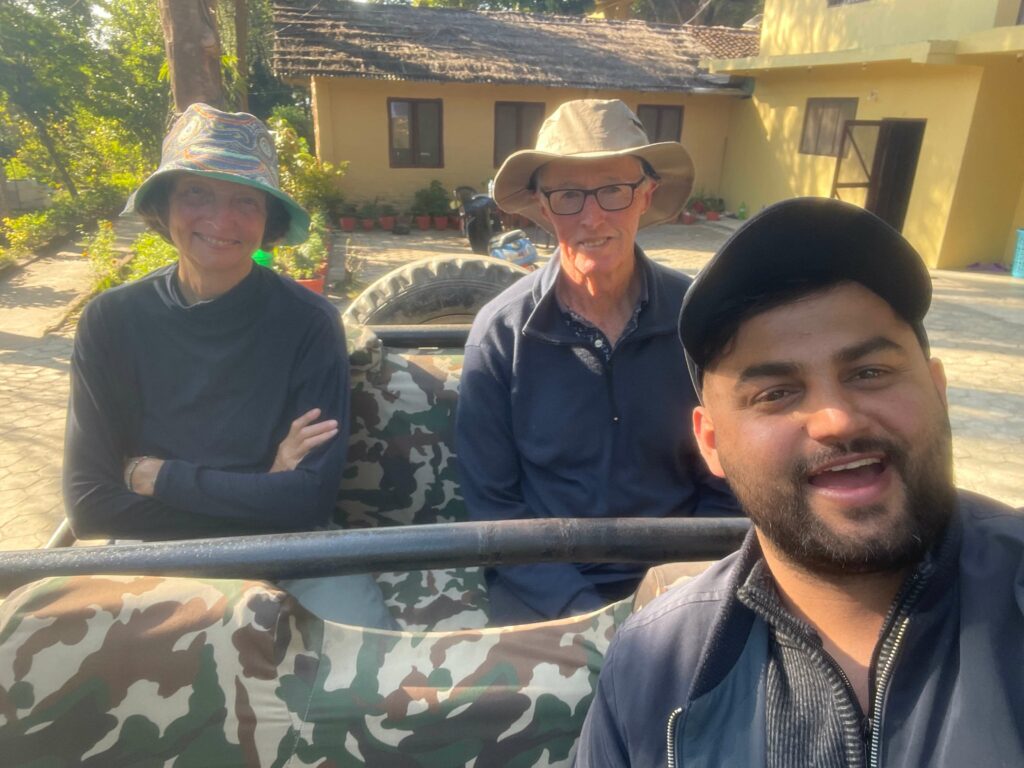
A full-day jeep safari is the most effective and exhilarating method to cover the vast, diverse landscapes of Bardiya National Park, maximizing your chances of encountering the “Big Three”: the Royal Bengal Tiger, the Greater One-Horned Rhino, and the Asian Wild Elephant. Unlike shorter tours, a full-day commitment allows you to venture deep into the park’s interior, reaching remote areas where wildlife is less disturbed and more likely to be active. You aren’t just driving; you are traversing an ancient world of dense tropical forests, sprawling Phanta (grasslands), and complex river systems that change with every mile.

The beauty of the jeep lies in its range. You start in the cool, shadowed sal forests where leopards might be draped over a limb, move through the swaying seas of elephant grass where tigers play a deadly game of hide-and-seek, and end up on the banks of the Geruwa River where rhinos come to bathe. Our jeeps are modified for optimal viewing, giving you a 360-degree perspective without the barrier of windows, so you can smell the damp earth and hear the alarm calls of the Chital deer the moment they sense a predator.

Moreover, a jeep safari with us is a masterclass in ecology. Our naturalist guides don’t just point and grunt; they narrate the story of the forest. They’ll explain why the tiger follows a specific trail, how the rhino manages the river currents, and which birds act as the “neighborhood watch” for the jungle. With a packed lunch in hand, you don’t have to rush back to civilization. You can eat your sandwich while watching a crocodile sun itself on a sandbar, making the entire day a seamless immersion into the wild.

What wildlife can you expect to photograph?

You can expect to photograph a stunning array of iconic species including the Royal Bengal Tiger, the Greater One-Horned Rhinoceros, the Asian Wild Elephant, and various species of deer and primates. Because our jeeps provide a stable and elevated platform, you have the perfect vantage point for long-lens photography, capturing the raw power of a tiger’s stride or the prehistoric texture of a rhino’s skin. Our guides are experts at positioning the vehicle to catch the best light, ensuring that your memory card is filled with National Geographic-quality shots by the time the sun begins to set.


Feature Bardiya Forest Camp Jeep Safari Standard Lodge Jeep Tour
Duration Full Day (8–10 hours) Half Day (3–4 hours)
Reach Deep interior & remote wetlands Peripheral areas near the gate
Lunch Bush-packed gourmet lunch included Return to lodge for lunch
Guide Quality Senior Naturalists & Trackers General drivers/guides
Focus Photography & Animal Behavior General sightseeing

Why should you choose a Walking Safari for a personal connection to nature?

A walking safari is the most intimate way to experience Bardiya because it removes the mechanical hum of an engine, allowing you to synchronize your own heartbeat with the rhythm of the jungle. On foot, the forest becomes three-dimensional; you notice the small things—the architectural wonder of a termite mound, the iridescent wings of a forest butterfly, and the subtle “scent posts” left by a passing leopard. It is a sensory explosion where you aren’t just looking at the jungle; you are walking through its living room, feeling the crunch of leaves under your boots and the humid breath of the forest on your skin.

Walking safaris are also a lesson in the ancient art of tracking. Without the speed of a jeep, our guides can stop to show you the “newspaper” of the forest—the tracks in the mud that tell who passed by an hour ago, the “scratches” on a tree trunk that mark a tiger’s territory, and the specific alarm calls of birds that signal danger nearby. It’s a thrill that no vehicle can match. When you’re standing on the same ground as a 400-pound tiger, even if it’s half a mile away, you feel a primal connection to the earth that is both humbling and life-affirming.

Safety is, of course, our priority. Our naturalists are trained in “bush-craft” and animal psychology, knowing exactly how to navigate the terrain to keep you safe while ensuring you get the best views. You’ll find yourself moving in silence, communicating through hand signals, and feeling like a true explorer. It’s an adventure that challenges your legs and rewards your soul, ending with a peaceful lunch in a quiet clearing where the only sounds are the wind and the birds.

What secrets of the jungle are revealed on foot?

On foot, you reveal the hidden “micro-world” of the jungle, such as the intricate patterns of animal tracks, the medicinal uses of local plants, and the subtle behavioral cues of smaller wildlife like monkeys and lizards. You learn to read the “alarm system” of the forest—where a certain bird’s cry means a snake is nearby, or the snap of a twig indicates a deer is on high alert. This level of detail is completely lost from a moving vehicle, making the walking safari a must for anyone who wants to truly understand how the ecosystem functions.

The Tracking Guide: What We Look For

  • Pugmarks: We identify the sex and age of a tiger or leopard by the shape and depth of their paw prints.
  • Scat: Analyzing droppings tells us what the animals are eating and how recently they were in the area.
  • Bark Rubbing: Deer and rhinos rub their antlers or skin against trees, leaving “signatures” we can track.
  • Alarm Calls: The specific bark of a Barking Deer or the “pook” of a Sambar deer are the most reliable indicators of a predator’s location.

Why is Bardiya considered a “Mecca” for birdwatchers?

Bardiya National Park is a birdwatcher’s paradise because its unique blend of riverine forests, grasslands, and wetlands attracts over 400 species of birds, ranging from massive raptors to tiny, jewel-toned kingfishers. The park serves as a vital pit-stop for migratory birds traveling from as far away as Siberia, meaning that every season brings a new “cast of characters” to the skies. Whether you are a “lifer” hunter looking for a specific species or a casual observer who just likes pretty colors, the sheer density of avian life here is staggering.

Our birding tours aren’t just walks; they are targeted expeditions. We know where the elusive Fishing Owl hides during the day, where the Nightjars nest in the leaf litter, and where the Great Hornbill is most likely to be seen feeding. We take you to the Geruwa River banks to spot the Black Ibis and the Ruddy Shelduck, providing you with high-quality binoculars and the patience required to get that perfect shot. The “soundtrack” of Bardiya is composed by these birds, and learning to identify them is like learning a new language.

Which rare bird species can you find here?

You can find rare and elusive species such as the Great Hornbill, the Bengal Florican (one of the rarest birds in the world), the Lesser Florican, and several types of owls including the Brown Fish Owl. The park is also home to a variety of raptors like the Crested Serpent Eagle and the Changeable Hawk-Eagle, which can often be seen soaring over the Phantas. For those interested in water birds, the wetlands host storks, herons, and the vibrant Small Pratincole, making every corner of the park a potential “new discovery” for your birding list.


Location Primary Species Best Time to Visit
Geruwa River Banks Storks, Kingfishers, Ruddy Shelduck Early Morning
Open Grasslands (Phantas) Bengal Florican, Raptors, Pipits Mid-Morning
Riverine Forest Woodpeckers, Barbets, Hornbills Late Afternoon
Wetlands/Bheels Herons, Egrets, Jacanas All Day


What is “Nostalgic Bush-Style Dining” and why is it special?

Nostalgic bush-style dining is an immersive outdoor culinary experience where you enjoy locally inspired meals under the open sky, surrounded by the sights and sounds of the jungle as it transitions from day to night. This isn’t just a dinner; it’s a ritual that harks back to the classic era of exploration, where the campfire was the center of the world and stories were the only entertainment. At Bardiya Forest Camp, we believe that food tastes better when there’s a hint of woodsmoke in the air and a chorus of cicadas providing the background music.

Whether it’s a full “bush dinner” by a crackling fire or a lighter “sundowner” snack by the Geruwa River, the experience is designed to help you decompress after a day of adventure. As the sky turns from orange to deep purple, you’ll watch the river reflect the last of the light, perhaps seeing a rhino come down for a final drink. It’s a moment of profound peace and connection, shared with fellow travelers and our naturalist guides who often have the best “tiger stories” to tell once the sun goes down. It’s the perfect way to “digest” the day’s sights while fueling up for the next one.

How does the riverside sunset enhance the dining experience?

The riverside sunset enhances the dining experience by providing a dramatic, ever-changing backdrop of light and color that shifts the jungle’s energy from high-intensity adventure to serene relaxation. As you sit along the Geruwa River, you are in a prime position to witness the “changing of the guard”, where the diurnal animals settle down and the nocturnal creatures begin their day. The combination of the cool river breeze, the smell of fresh food, and the visual spectacle of a Himalayan sunset creates a sensory memory that often becomes the highlight of the entire trip for our guests.

Why should you choose Bardiya Forest Camp for your activities?

You should choose Bardiya Forest Camp because our activities are led by some of the most experienced naturalists in Nepal, ensuring an authentic, educational, and eco-friendly adventure that goes far beyond a standard tourist excursion. We don’t just “show” you the park; we interpret it for you. Our deep commitment to sustainable tourism means that every jeep drive and every footstep is calculated to minimize our impact on the environment, ensuring that the tigers and rhinos remain undisturbed in their natural habitat.

  • Authentic Jungle Adventure: We take you deep into the heart of the park, away from the crowds, for a true wilderness feel.
  • Expert Naturalist Guides: Our team lives and breathes the park, offering insights you won’t find in any guidebook.
  • Fantastic Photo Opportunities: We understand the needs of photographers and position our activities to get you the best shots.
  • Eco-Friendly & Responsible: Your stay and your activities directly support the conservation of Bardiya’s fragile ecosystem.

What is our “Eco-Friendly” promise for activities?

Our “Eco-Friendly” promise for activities means we strictly adhere to “Leave No Trace” principles, ensuring that we never litter, disturb animal nesting sites, or use off-road driving that could damage the delicate grasslands. We use well-maintained vehicles to reduce emissions and noise pollution, and we limit the number of participants in our walking and birding tours to ensure a low-impact presence. By choosing us, you are supporting a tourism model that prioritizes the health of the National Park over short-term profit, keeping the wild wild for generations to come.

In Conclusion

To wrap it all up, the experiences at Bardiya Forest Camp are designed to do one thing: move you. Whether you’re gripped by the adrenaline of a jeep chase, the quiet focus of a birding tour, or the peaceful reflection of a riverside dinner, you are participating in a story that is much bigger than a simple vacation. You are stepping into the wild heart of Nepal, and we promise you won’t come back the same person.

So, are you ready to trade your screen time for “green time”? Whether you want to track a tiger on foot or just watch the sun set over a river that has flowed since the dawn of time, we have a spot for you. Grab your camera, lace up your boots, and come find out why Bardiya is the secret that every adventurer is trying to keep. We’ll see you at the campfire!

FAQS

Is a Jeep Safari safe for children? 

Yes, our jeep safaris are safe and educational for children, though we recommend a minimum age of 5 for full-day tours.

Do I need to be fit for a walking safari? 

A moderate level of fitness is required as we walk on uneven terrain, but we can tailor the pace to your needs.

What should I wear for birdwatching? 

We recommend neutral colors like green, brown, or khaki to blend into the surroundings and avoid startling the birds.

Can I see tigers every day? 

While tigers are wild and sightings are never guaranteed, our expert trackers provide the highest possible chance of a sighting.

What is included in the packed lunch? 

Our lunches typically include fresh local fruits, sandwiches or traditional rolls, boiled eggs, and plenty of clean drinking water.

How long does a birding tour last? 

Guided birding tours usually last 3 to 4 hours, typically starting at sunrise when birds are most active.

Is there a limit on photography? 

There are no limits on personal photography, but we ask guests to avoid using flash, which can distress the animals.

Can we customize our activities? 

Absolutely! We can mix and match jeep tours, walking safaris, and dining experiences to create your perfect itinerary.